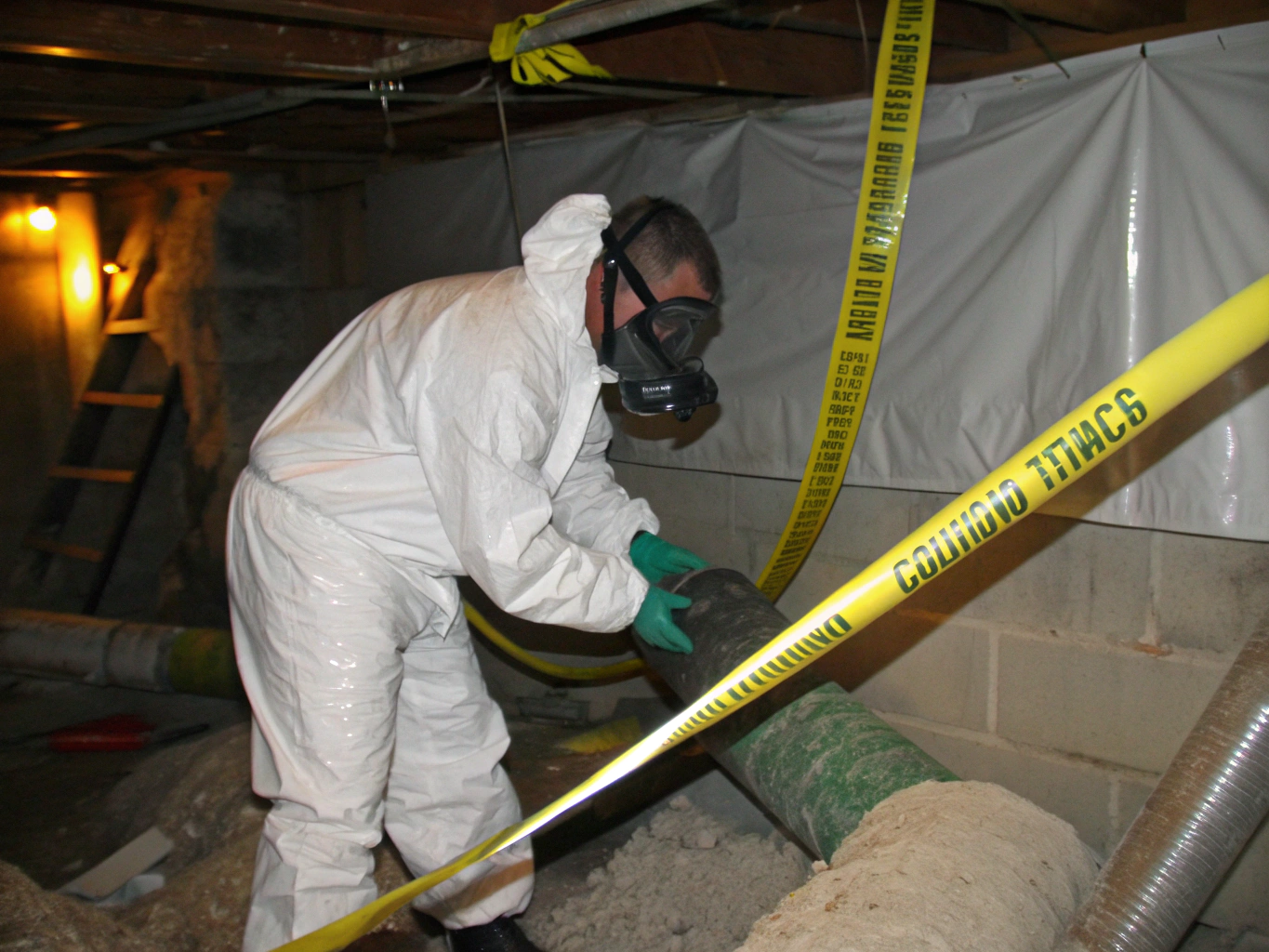
Asbestos & Lead Abatement
Safe testing, negative-pressure containment, and certified hazardous removal across historic and mid-century structures in the Mid-Atlantic.
TriServe deploys direct local abatement technicians trained under strict federal, state, and local environmental standards. From non-invasive sampling and third-party laboratory verification to full-containment air clearance and chain-of-custody disposal, our crews control the hazard without subcontracts or delays.
Identifying and containing hazardous materials in older Mid-Atlantic properties.
Understand where legacy asbestos and lead hide in regional buildings, and how certified negative-pressure containment prevents toxic exposure during repairs or remodeling.
From historic rowhomes in Washington, DC, to mid-century properties across Montgomery County and Northern Virginia, older construction routinely harbors mineral fibers and heavy metals. Undisturbed, these materials pose low day-to-day risk. When disturbed by plumbing leaks, pipe bursts, wall demolition, or standard remodeling, they release microscopic particles into indoor HVAC airflow.
Asbestos fibers lodge deep in lung tissue, creating permanent scarring, asbestosis, and mesothelioma years after contact. Lead dust from disturbed paint settles on horizontal surfaces, where routine inhalation or hand-to-mouth transfer disrupts central nervous system development in children and triggers severe cardiovascular and neurological issues in adults.
Acoustic popcorn ceilings, pipe elbow insulation, steam boiler wrapping, and 9-inch vinyl floor tiles common in pre-1980 regional builds.
Pre-1978 interior and exterior window trim, wooden sills, baseboards, exterior siding, and aging municipal plumbing supply lines.
Our certified containment sequence
Critical poly isolation
Floor-to-ceiling 6-mil polyethylene airtight barriers seal off work zones from inhabited living and office quarters.
Negative-pressure HEPA scrubbers
Continuous directional air machines pull clean air into the zone while venting scrubbed air outside through certified 99.97% filters.
Wet-capture suppression
Specialized surfactant misting keeps materials damp during removal, eliminating airborne friable dust and fibers at the source.
Manifested hazardous transport
Debris is double-bagged in 6-mil labeled hazardous bags, locked in certified drums, and documented for regulated disposal.
Local crews handle testing, containment, and disposal without call centers.
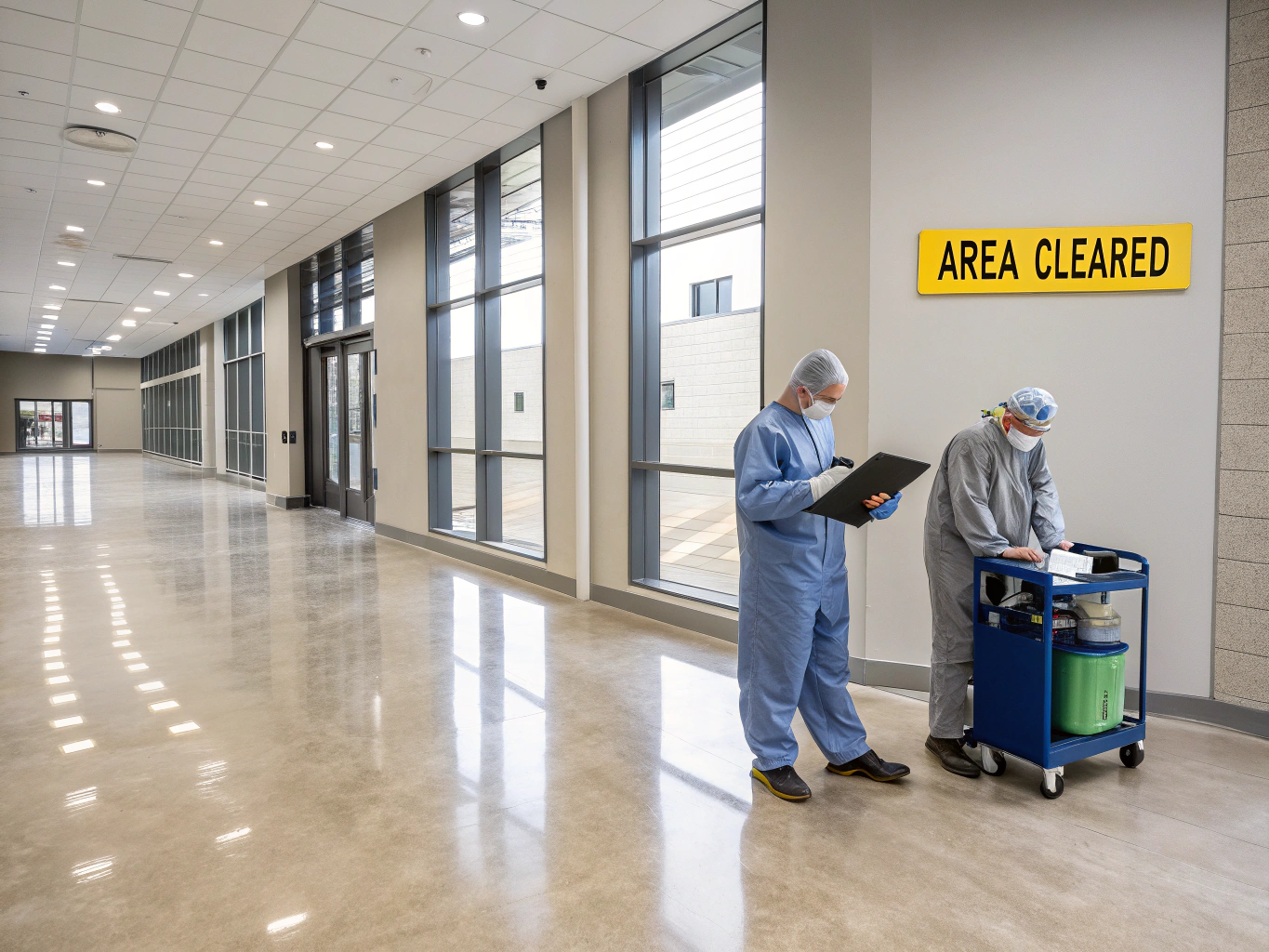
Field Deployment: Sealed 6-mil Polyethylene Isolation
Continuous HEPA filtration prevents fugitive fiber migration into adjacent building rooms.
Regional compliance documentation
Every abatement phase is logged for insurance adjusters, municipal building inspectors, and real estate disclosures across Maryland, Washington, DC, and Virginia.
Do not sand, scrape, drill, or tear down suspected drywall, ceiling textures, or pipe insulation prior to certified testing. TriServe technicians take safe bulk core samples without spreading friable fibers.
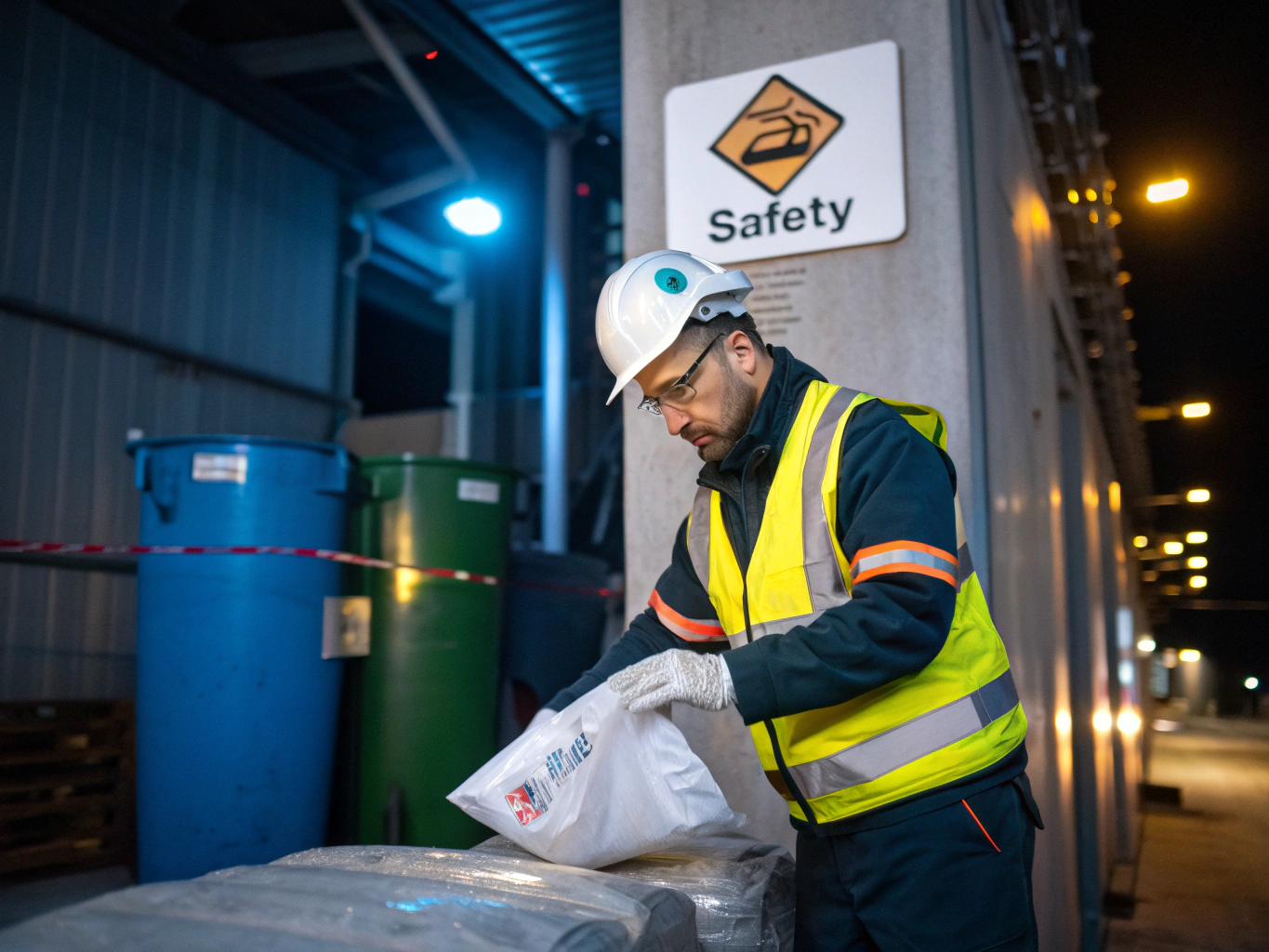
Direct remediation teams without subcontracted liability
We dispatch licensed in-house technicians who contain, remove, and document hazardous materials under strict regional oversight.
When dealing with regulated lead-based paint and friable asbestos in Maryland, Washington DC, or Northern Virginia, handing project custody to unverified sub-crews introduces unacceptable compliance risks. TriServe conducts every stage under direct internal command. From installing airtight 6-mil poly containment and negative-air HEPA scrubbers to delivering signed regional disposal manifests and passing independent third-party air clearance, we protect your occupants and legal standing throughout.
In-house containment crews
Zero subcontracted liability. Our own certified technicians set negative-pressure HEPA barriers and manage removal directly.
Compliant disposal manifests
Every pound of hazardous material is sealed, labeled, and tracked with signed state and regional disposal manifests.
Third-party air clearance
Independent industrial hygiene testing confirms zero airborne fiber migration before your structure is cleared for re-entry.
Integrated Disaster Capabilities
Complementary recovery services
Property restoration frequently extends past hazardous abatement into structural repair and biological decontamination.
Request hazardous material containment
Connect directly with local certified technicians in Maryland, DC, and Northern Virginia. We review your property specifications, coordinate testing, and mobilize negative-pressure equipment without third-party delay.
If pipes with friable insulation ruptured or renovation activities disturbed older drywall or plaster, phone lines connect directly to regional field supervisors.
Call 855-435-6631 NowSite Safety Advisory (Pre-Testing)
Never sweep, vacuum, or scrape materials suspected of containing asbestos or lead. Follow these immediate containment measures until our technicians arrive:
- 1Isolate the affected area: Shut doors to the room and prevent foot traffic from tracking dust through the property.
- 2Disable HVAC units: Turn off central forced-air heating or air conditioning to prevent microscopic fibers from circulating across vents.
- 3Avoid domestic vacuums: Standard HEPA or shop vacs allow microscopic asbestos fibers to exhaust straight into breathable air.